
Give AI dedicated service ownership
Models, prompts, knowledge, tools and providers change. Production capability needs an owner who can see quality, risk, cost and business performance together.
Enterprise AI solution / Managed AI Operations
Keep production agents reliable, controlled and economically sustainable through monitoring, service management and continuous evaluation.
01 / Business trigger
Production agents and AI services require named operational ownership, monitoring, incident handling, controlled change and value reporting.
02 / Target operating outcome
A recurring operating service that preserves quality, safety, knowledge, cost, continuity and business value after launch.
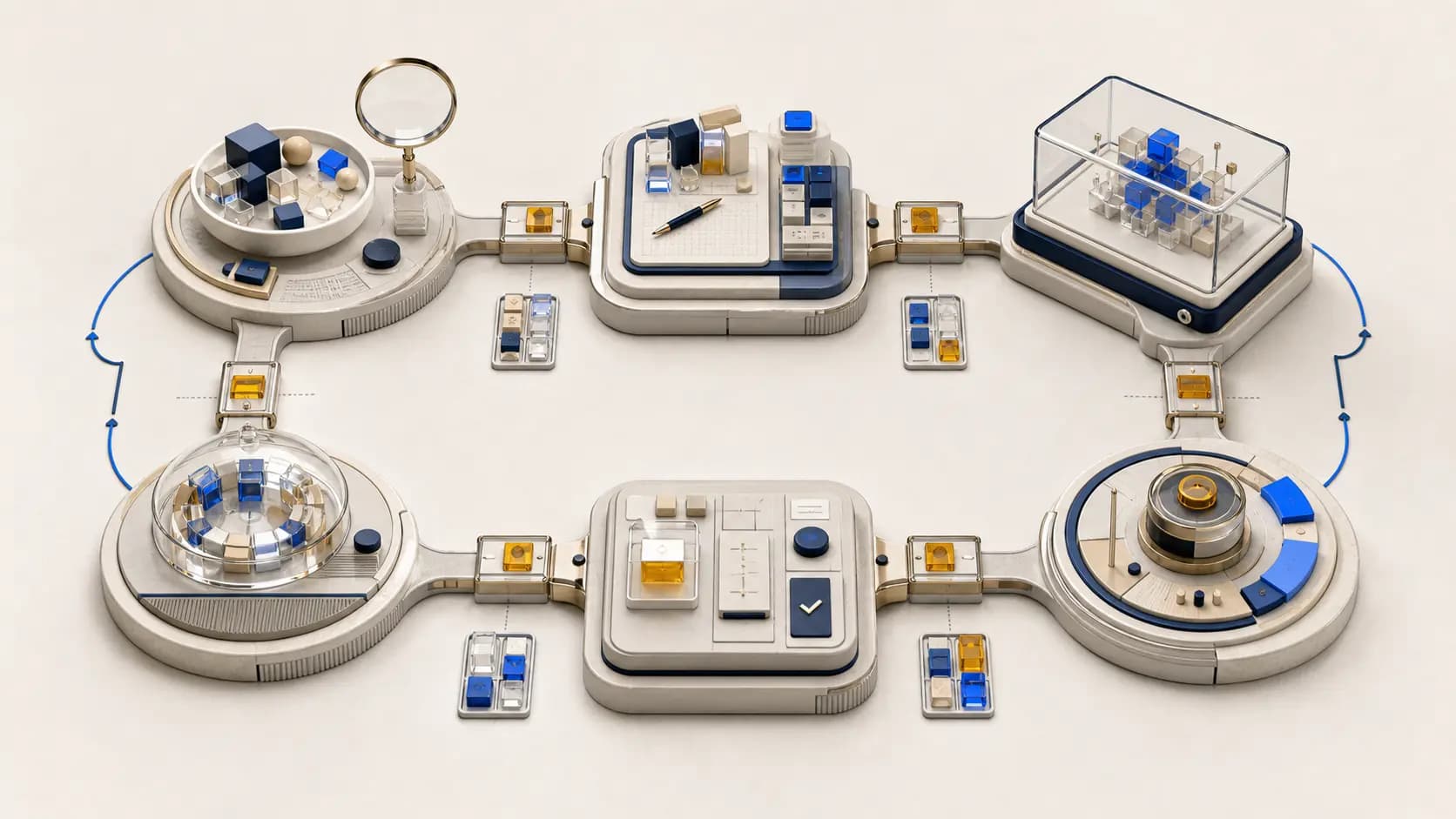
The operating architecture progresses through Service ownership, Observability, Incident and change, Cost and suppliers, Value reporting.
03 / Operating narrative
Models, prompts, knowledge, tools and providers change. Production capability needs an owner who can see quality, risk, cost and business performance together.
Set service boundaries, roles, service levels, escalation, change authority, reporting and supplier responsibilities.
Monitor business outcomes, answer and action quality, exceptions, drift, latency, cost and service health.
Control source freshness, access, model and platform changes, consumption and third-party service dependencies.
Define detection, triage, containment, communication, rollback and recovery before a material failure.
Evaluate and approve changes to models, prompts, knowledge, tools, policies and integrations through one service process.
Connect unit economics, service performance and workflow measures to the business outcome the capability exists to deliver.
Begin with the production capability, operating gap and accountability boundary that matter most.
05 / Delivery system
The engagement starts with the strongest entry point for the operating outcome, then draws on the service stack required to reach acceptance.
06 / Authority and safeguards
07 / Engagement and acceptance
Acceptance evidence. Service ownership, monitoring, incident response, change control, reporting and improvement routines operate against an agreed service baseline.
Boundary. Operating scope, support windows and supplier responsibilities are defined for each engagement around the production service and its risk profile.
09 / Qualified conversation
Share the business trigger, accountable owner, measurable baseline, timing and desired operating result.